
Regular cleanings and checkups give us a chance to catch small problems before they turn into bigger, more involved treatment. At McDougall DDS, preventive care is the starting point for everything we do for your smile.
A typical visit includes a cleaning with one of our hygienists, an exam with Dr. McDougall or Dr. Reed, X-rays when they are due, and an oral cancer screening. Many patients come in every six months, but we will suggest a schedule that fits your own dental health.
What Happens at a Dental Cleaning
During your cleaning, your hygienist removes the plaque and tartar that brushing and flossing leave behind. They pay extra attention to the hard-to-reach spots, like along the gumline and between the back teeth, then polish and floss your teeth.
If your gums bleed during a cleaning, tell us. Bleeding can be an early sign of gum inflammation, and catching it early makes it much easier to manage.
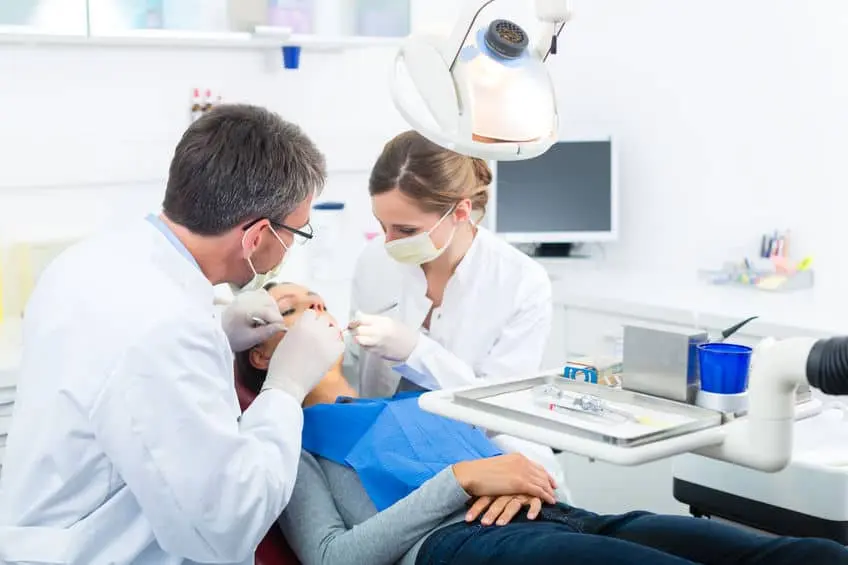
Next, your dentist examines your teeth and gums, checks your fillings, crowns and other dental work, and looks for anything new. We also do a quick head, neck and oral cancer screening. Then your dentist explains what they found and answers your questions.

Digital X-Rays: When Do You Need Them?
X-rays let us see what an exam alone cannot, such as decay between teeth, problems around the roots, bone loss and teeth that have not come in yet.
You will not need X-rays at every visit. How often we take them depends on your dental history, the current health of your mouth and how likely you are to get cavities or other problems.
Our office uses digital X-rays and an intraoral camera. The images show up on a screen right away, so your dentist can point out exactly what they see and explain whether treatment is needed.
Dental Sealants
Back teeth have deep grooves and pits where food and bacteria like to hide. Those spots are hard to clean well with a toothbrush, so they are more likely to get cavities.
A dental sealant is a thin protective coating bonded to the chewing surfaces of these teeth. Placing sealants is usually quick and does not typically involve drilling or numbing.
Sealants are most often placed on children as their permanent molars come in, but adults with deep grooves can benefit too. Dr. McDougall or Dr. Reed can tell you whether sealants are a good fit for your teeth.
Fluoride Treatments
Fluoride strengthens tooth enamel and helps it resist decay. A professional fluoride treatment may be recommended if you are more likely to get cavities or have other risk factors.
Extra fluoride can help if you have had frequent cavities, have exposed tooth roots, wear braces or aligners, or deal with dry mouth. Your dentist and hygienist will look at your oral health and help you decide whether a fluoride treatment makes sense for you.
Gum Disease and Periodontal Maintenance
Healthy gums hold your teeth in place. Gum disease starts when plaque and bacteria build up along and under the gumline. Early signs can include bleeding when you brush or floss, red or puffy gums, bad breath that will not go away, or gums that seem to be pulling back from the teeth.
Gingivitis is the earliest stage of gum disease, and it often improves with a professional cleaning and steady home care. If it moves further along, a regular cleaning may no longer be enough.
In that case, your dentist may recommend scaling and root planing, often called a deep cleaning, to remove plaque and tartar from under the gumline. This cleans the root surfaces so the gums can heal. Treatment may take more than one visit, and we can numb the area to keep you comfortable.
Afterward, you may need periodontal maintenance cleanings more often to keep gum disease under control and protect your teeth.
Taking Care of Your Teeth at Home
What you do every day matters just as much as your visits with us. Along with regular checkups, a few simple habits can lower your risk of cavities and gum disease:
Brush twice a day for two minutes with a soft brush and fluoride toothpaste.
Clean between your teeth every day with floss or another tool your hygienist suggests.
Ask your hygienist which brushes, rinses or flossing aids would help you most.
Keep up with exams and cleanings on the schedule we recommend for you.
Gum disease often starts between the teeth, where a toothbrush cannot reach, so flossing every day, or another way of cleaning between teeth, makes a real difference.
Has It Been a While Since Your Last Cleaning?
If it has been years since you saw a dentist, you are still welcome here, and there is no need to feel embarrassed. We will start with where your teeth are today, listen to your concerns and explain each step before it happens.
Call McDougall DDS at (918) 742-8775 or use our online form to request an appointment.
Schedule a Dental Cleaning in Tulsa
Regular cleanings and checkups are one of the easiest ways to look after your dental health. New patient? Your first visit includes an exam, X-rays, a cleaning and a talk about your options.